
Are electric scooters allowed on sidewalks in Europe?
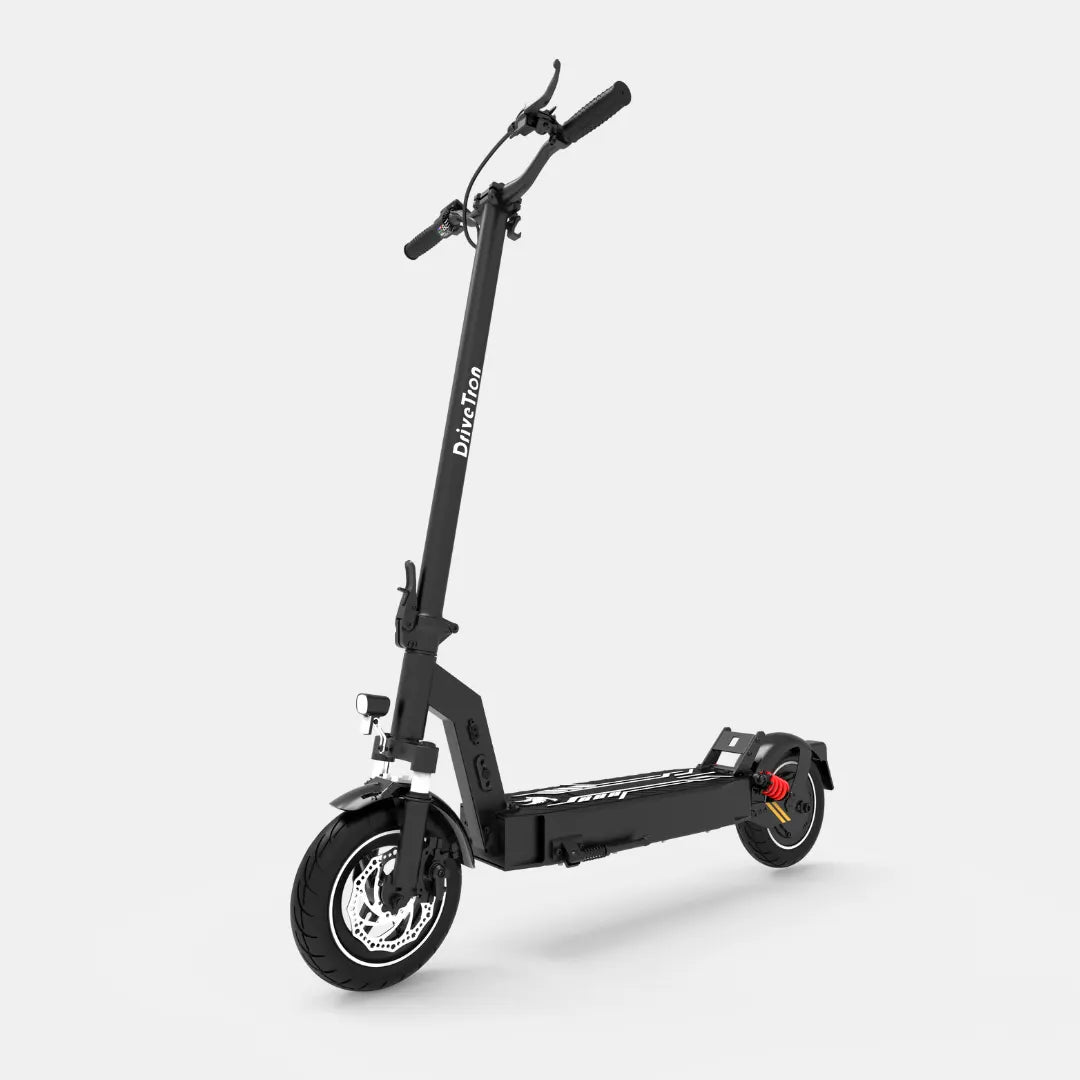
Electric scooters are booming in European cities. They offer a fast, economical and ecological alternative for daily travel. But this rise in popularity raises a central question: can you legally ride an electric scooter on pavements?
In the vast majority of cases, the answer is no. Here's why, and what the laws in force in different European countries say.
Why are pavements off-limits to scooters?
Pavements are for pedestrians. Even if an electric scooter seems harmless, it can reach speeds of 25 to 40 km/h, representing a real danger for pedestrians, especially children, the elderly or people with reduced mobility. This is why most European regulations prohibit their use on pavements, to avoid accidents.
What the laws say in the main European countries
In France, it is strictly forbidden to ride on pavements. You must use cycle paths or the roadway. Offenders face a fine of up to €135.
In Germany, the law is similar: scooters must use cycle paths. In the absence of a cycle path, they can ride on roads limited to 20 km/h, but never on pavements.
In Spain, the legislation is very clear: no traffic on pavements is allowed. Local authorities strictly enforce the law.
In Italy, scooters are allowed only on cycle paths and certain specially designated areas. Pavements are prohibited.
In the Netherlands, traffic is on the road. Some scooters are considered mopeds, and helmets are sometimes mandatory.
In Belgium, traffic on the pavement is forbidden unless you push the scooter on foot. This is considered pedestrian movement.
In Portugal, legislation varies from city to city. Some municipalities allow traffic on pavements provided you drive at a very low speed.
What if I push my scooter on foot?
Walking next to your scooter with the engine off is allowed in almost all European countries. This is considered normal walking, just like pushing a bicycle by hand.
What to do if there is no cycle path?
If no path is available, regulations generally require you to:
• Drive on low-speed roads (often limited to 30 km/h)
• Give way to pedestrians and cars
• Wear a helmet if local legislation requires it
Models like the GTXR C91 or the GTXR S9 Pro are perfect in this context. With a maximum speed of 25 km/h, integrated lighting, reliable brakes and a folding design, they perfectly comply with European standards.
Tips for legal and safe riding
• Do not ride on pavements, unless you are walking next to your scooter
• Prioritise cycle paths and adapted roads
• Reduce speed in areas shared with pedestrians
• Always turn on your front and rear lights at night
• Pay attention to local signage
• Equip your scooter with a bell or a horn
GTXR: compliant with regulations
GTXR scooters are designed to comply with European laws. They are limited to 25 km/h, have powerful lighting, a double braking option (electronic and mechanical), and offer accessories for number plates or anti-theft devices. Everything is designed for legal, fluid and safe urban mobility.
Conclusion
Pavements remain reserved for pedestrians in almost all of Europe. To avoid fines and ensure the safety of everyone, it is essential to know the local rules and choose a compliant scooter model. GTXR supports you with models adapted to legislation and designed for urban comfort.
Discover our entire range on gtxrstore.com and choose a scooter designed for your city, your mobility and your safety.